Arboretum and Nature
Bellefontaine Cemetery & Arboretum is a Level III Arboretum, the first in Missouri to achieve this prestigious accreditation and a distinction now shared by over 50 arboreta of this caliber worldwide. With nearly 10,000 trees and more than 600
species and varieties
, our grounds are a testament to our dedication to plant conservation and display. Considered a St. Louis botanical garden in its own right, we are committed to being a peaceful urban green space.
Explore Our Living Collections & Natural Spaces
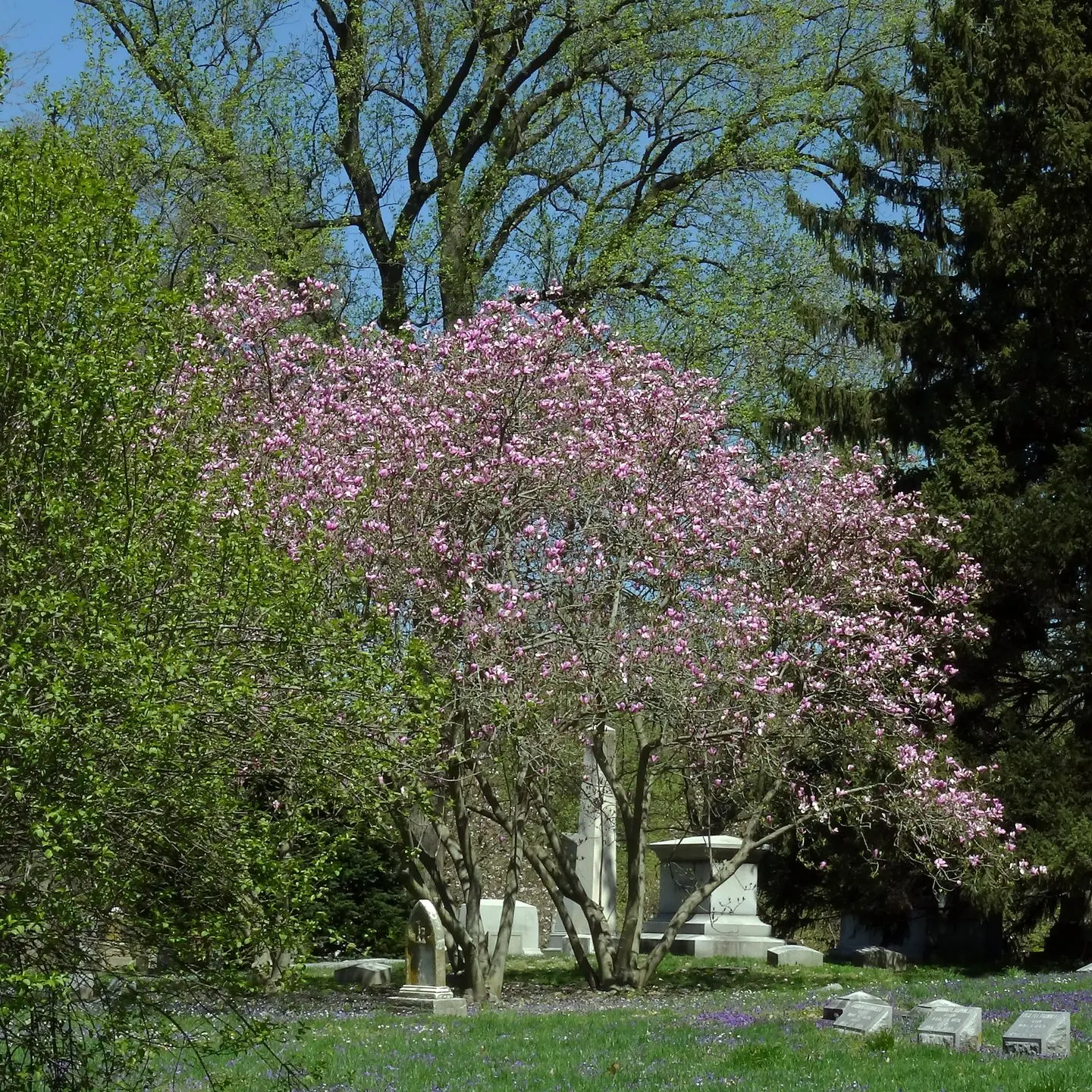
Trees
Discover our extensive and diverse tree collection, a living library dedicated to conservation and display.
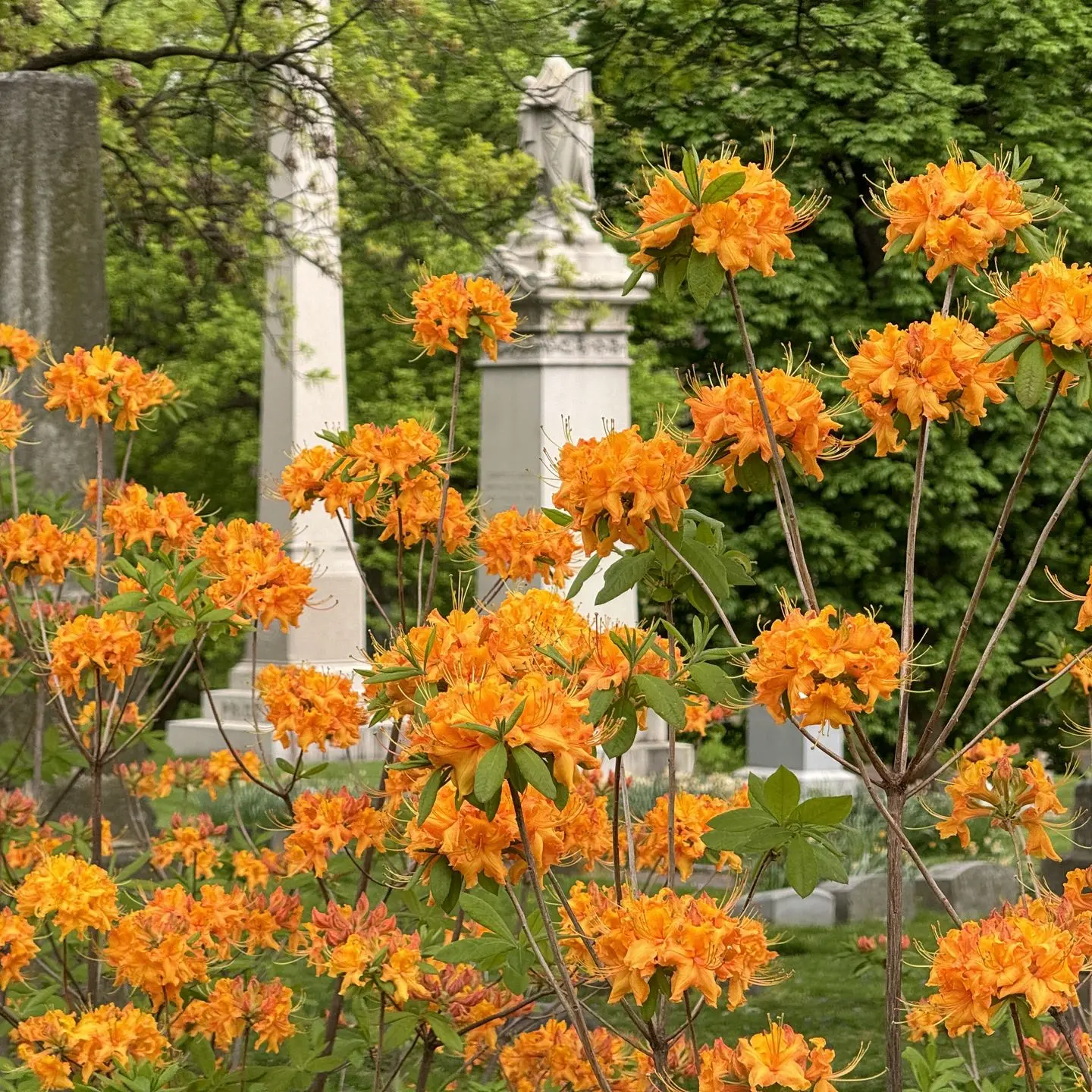
Flowers
Enjoy the vibrant and seasonal blooms that bring color and life to our gardens and landscapes.
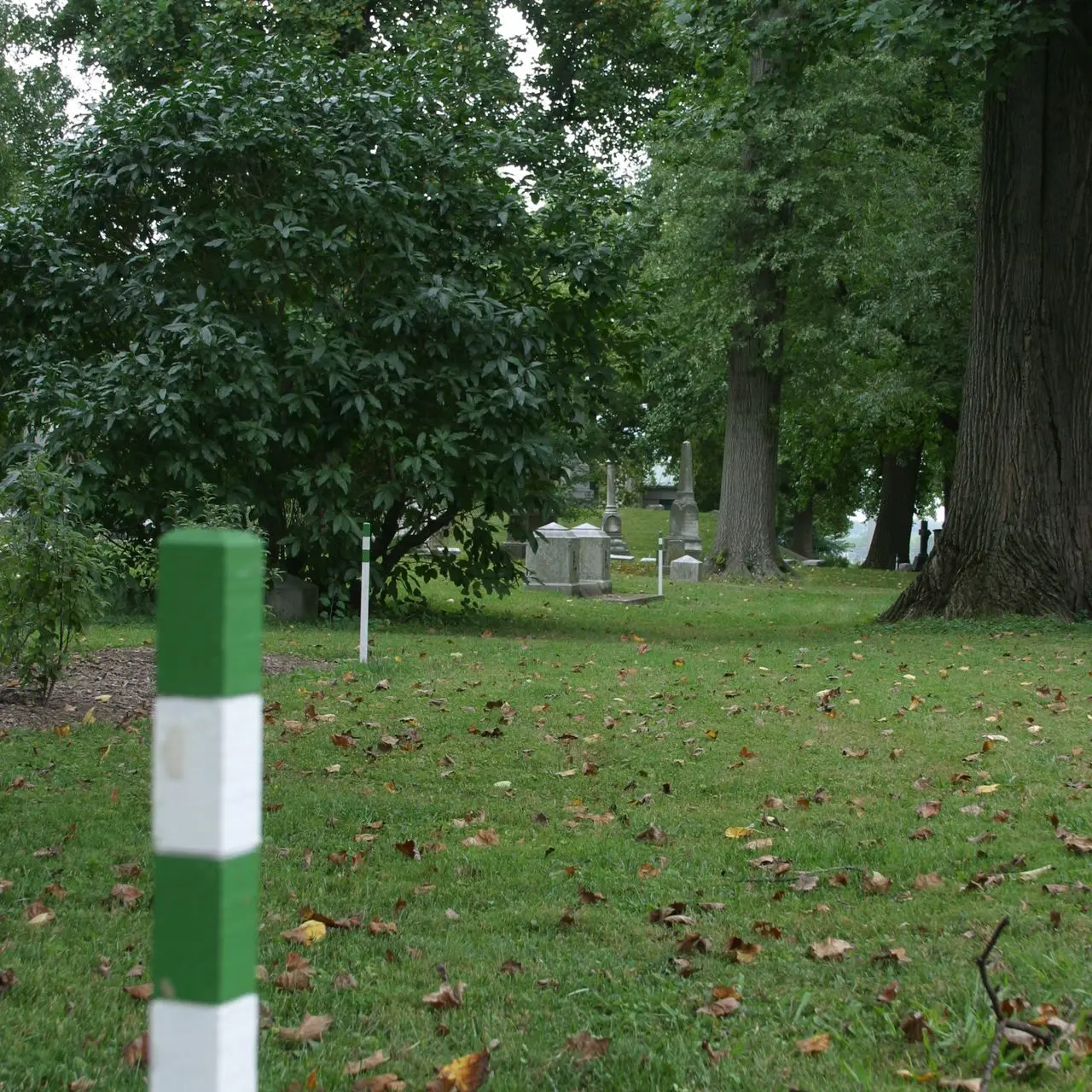
Trails
Wander through miles of scenic trails designed for tranquil walks and self-guided exploration.
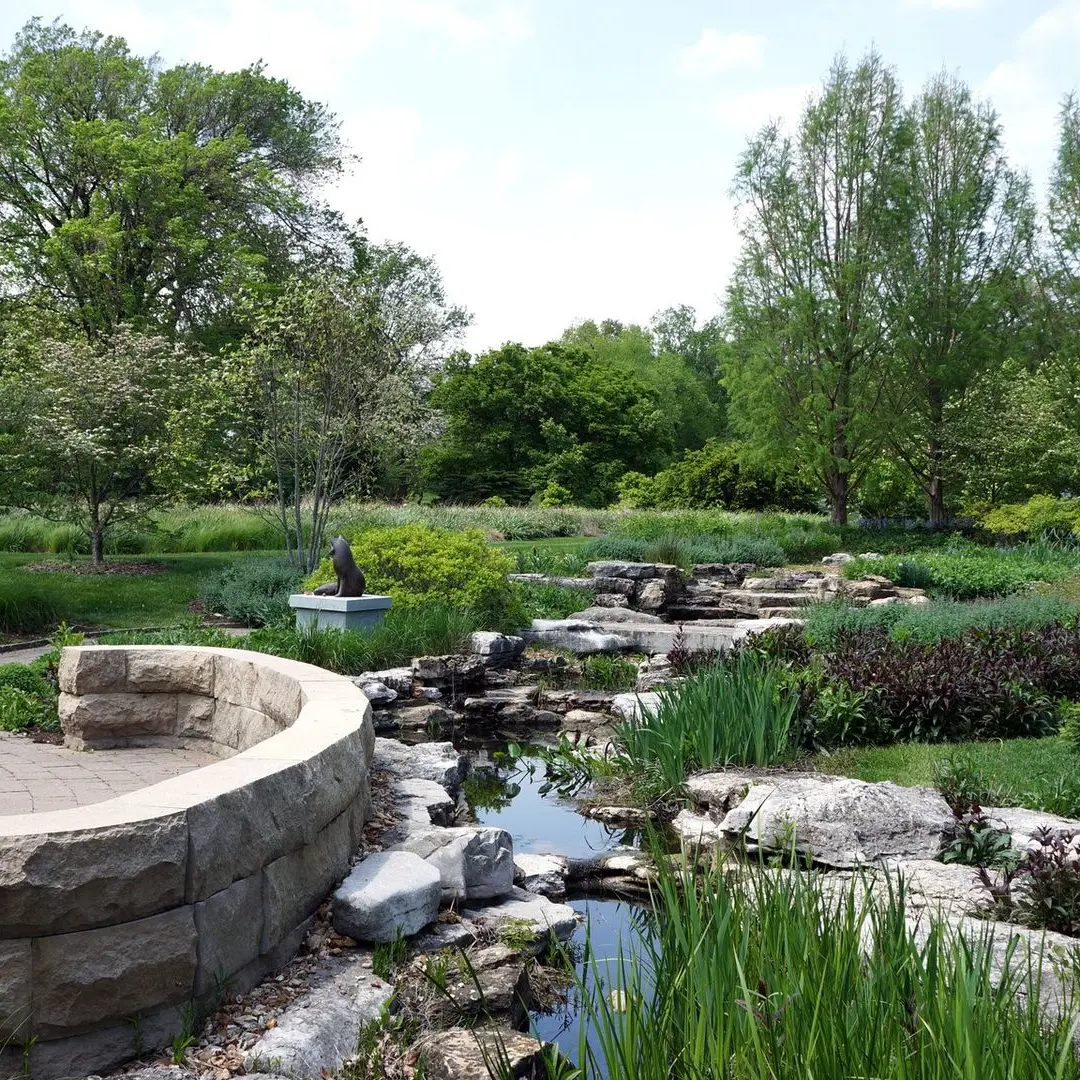
Gardens
Find peace in our serene gardens, each with a unique design and collection of plant species.

The mission of Bellefontaine's Arboretum is to support and enhance the Cemetery as a place of perpetual commemoration, and as a garden of beauty, inspiration, and historic significance.
A
Urban Oasis
for Birds, Pollinators, and Wildlife
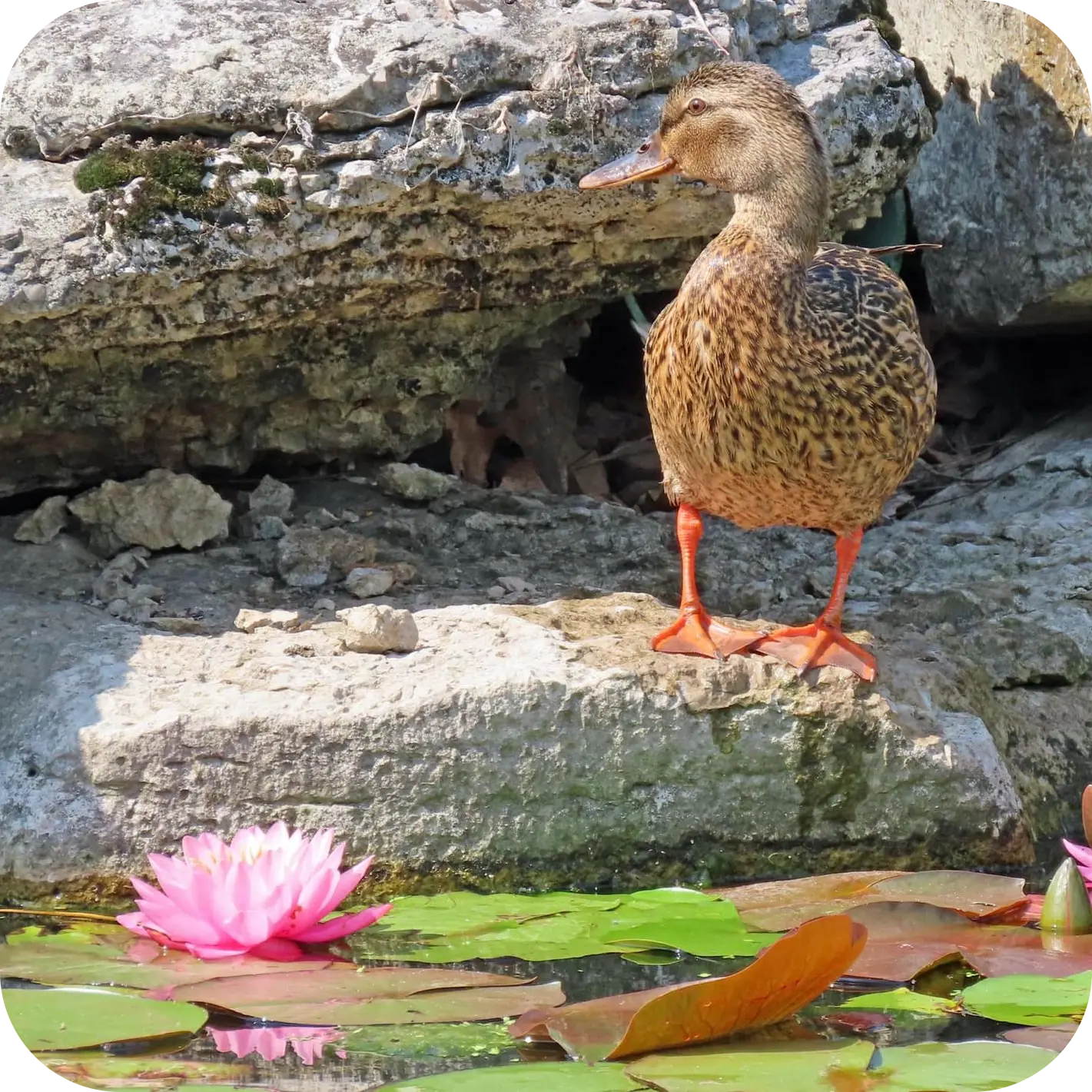
Birds
Bellefontaine is a certified bird sanctuary, providing a safe haven and vital habitat for a wide variety of native and migratory birds.
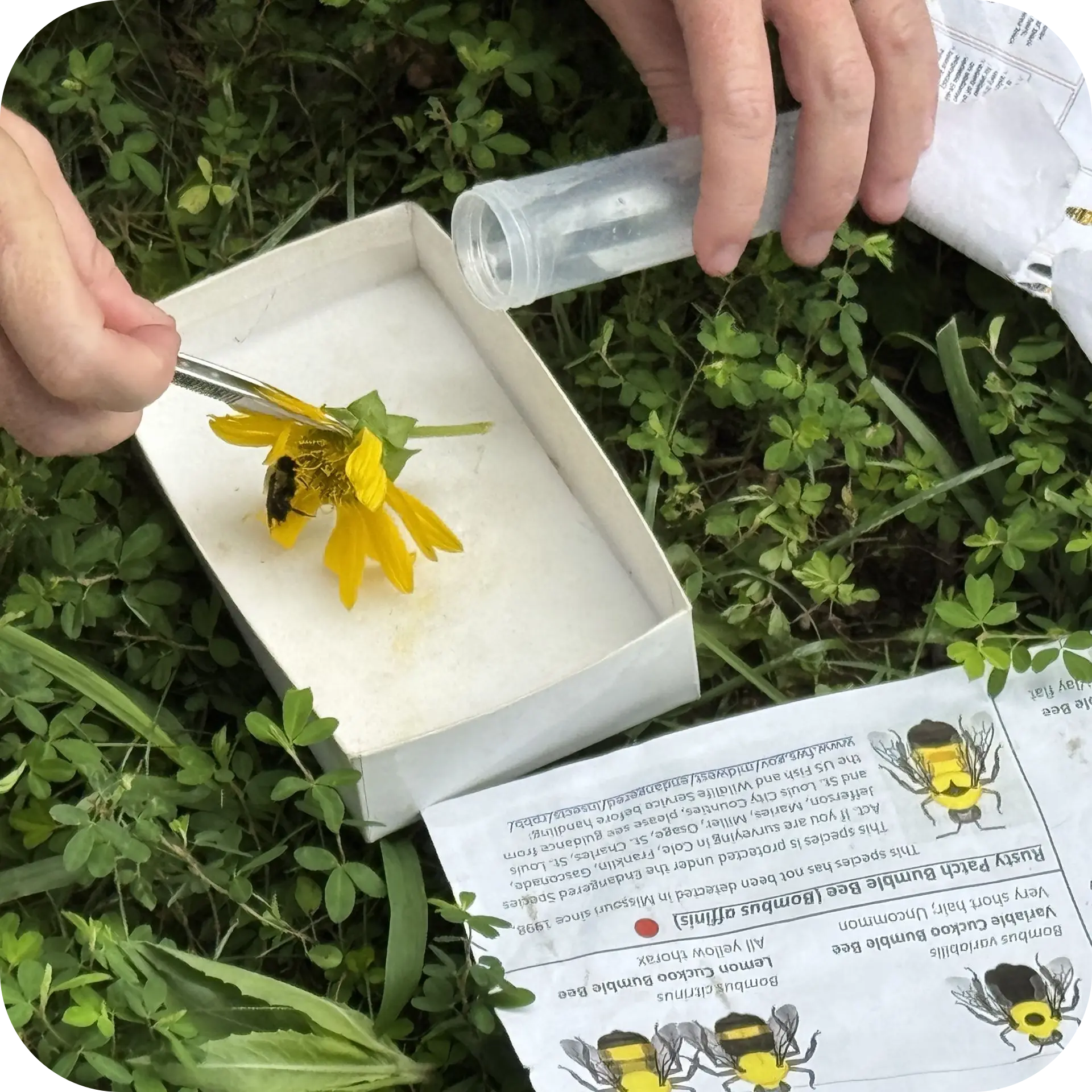
Bees
Our grounds are home to a diverse community of pollinators, including bees and a honeybee colony we nurture with our beekeeper.
Learn More
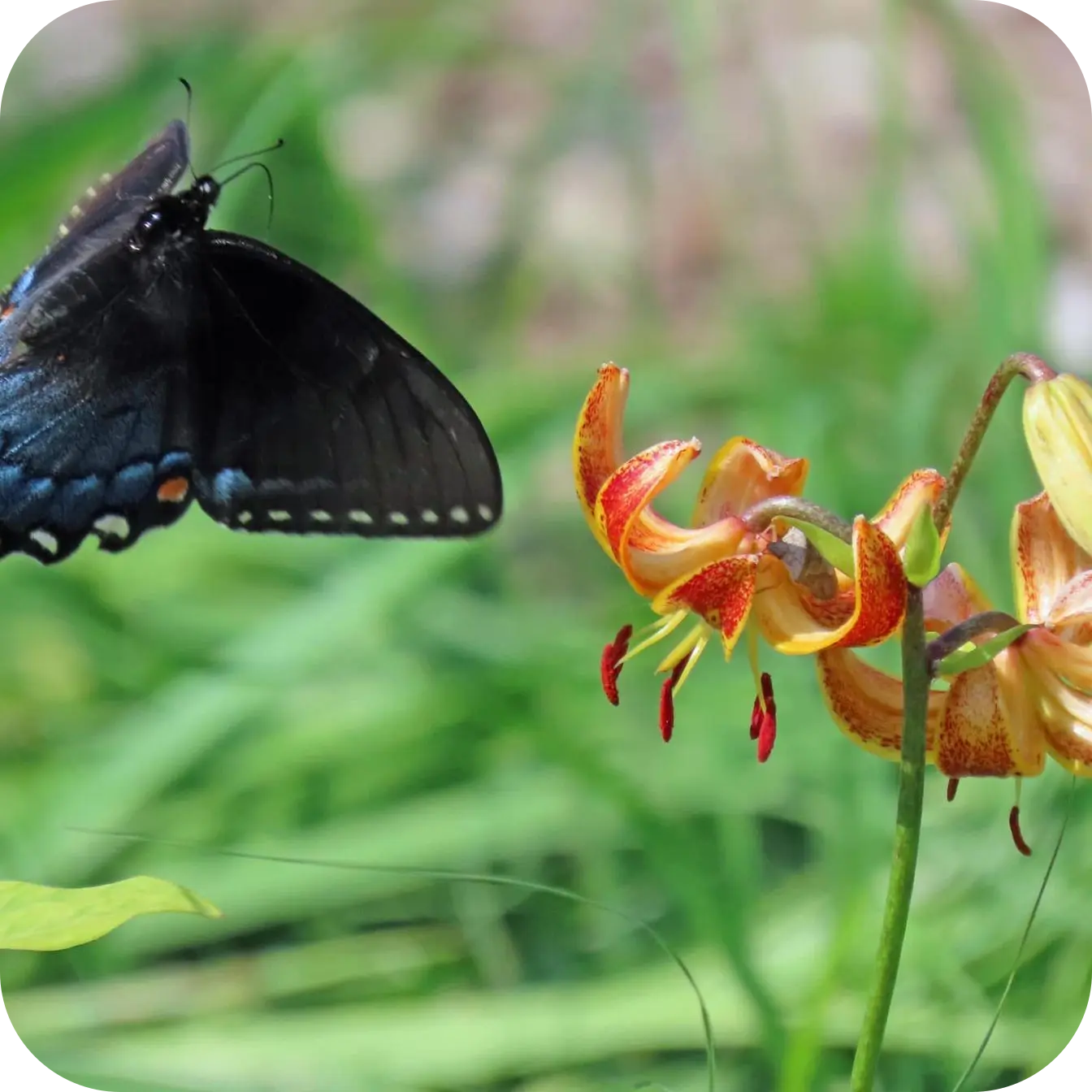
Butterflies
Experience the beauty of our resident and migratory butterflies as these important pollinators flourish among our dedicated gardens and wild spaces.
Learn More
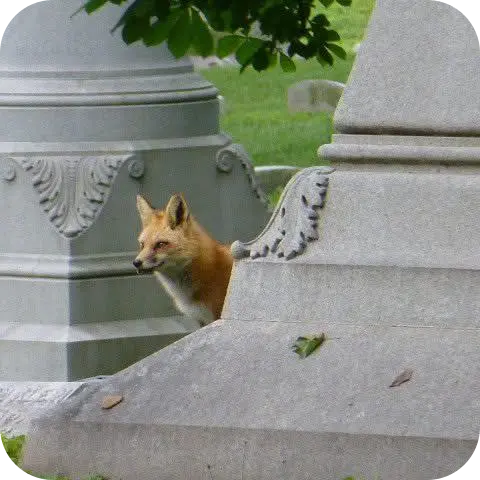
Wildlife
Bellefontaine has become an important natural sanctuary and habitat for wildlife in the urban environment, including red fox and raccoons
Learn More
Our Commitment to Sustainability
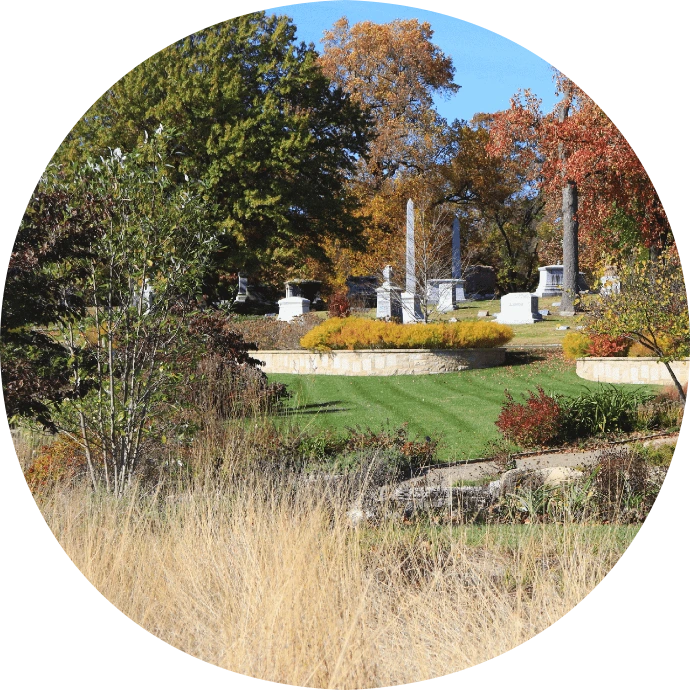
Landscaping
We implement sustainable landscape management efforts to reduce irrigation and fuel consumption and increase biodiversity.
Learn More
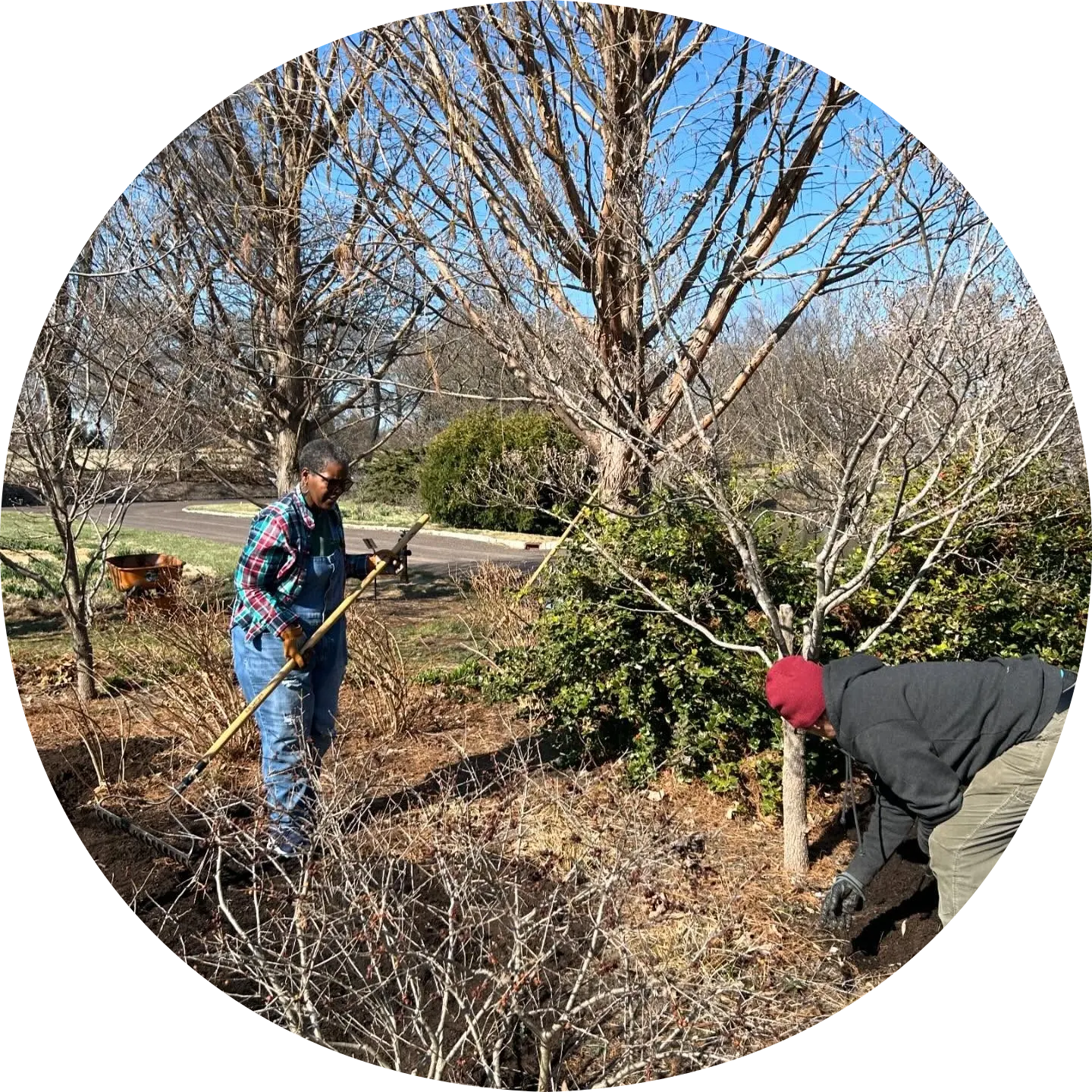
Tree Planting
Our tree planting initiatives, supported by volunteers and outside groups, increase the urban tree canopy for humans and animals.
Learn More
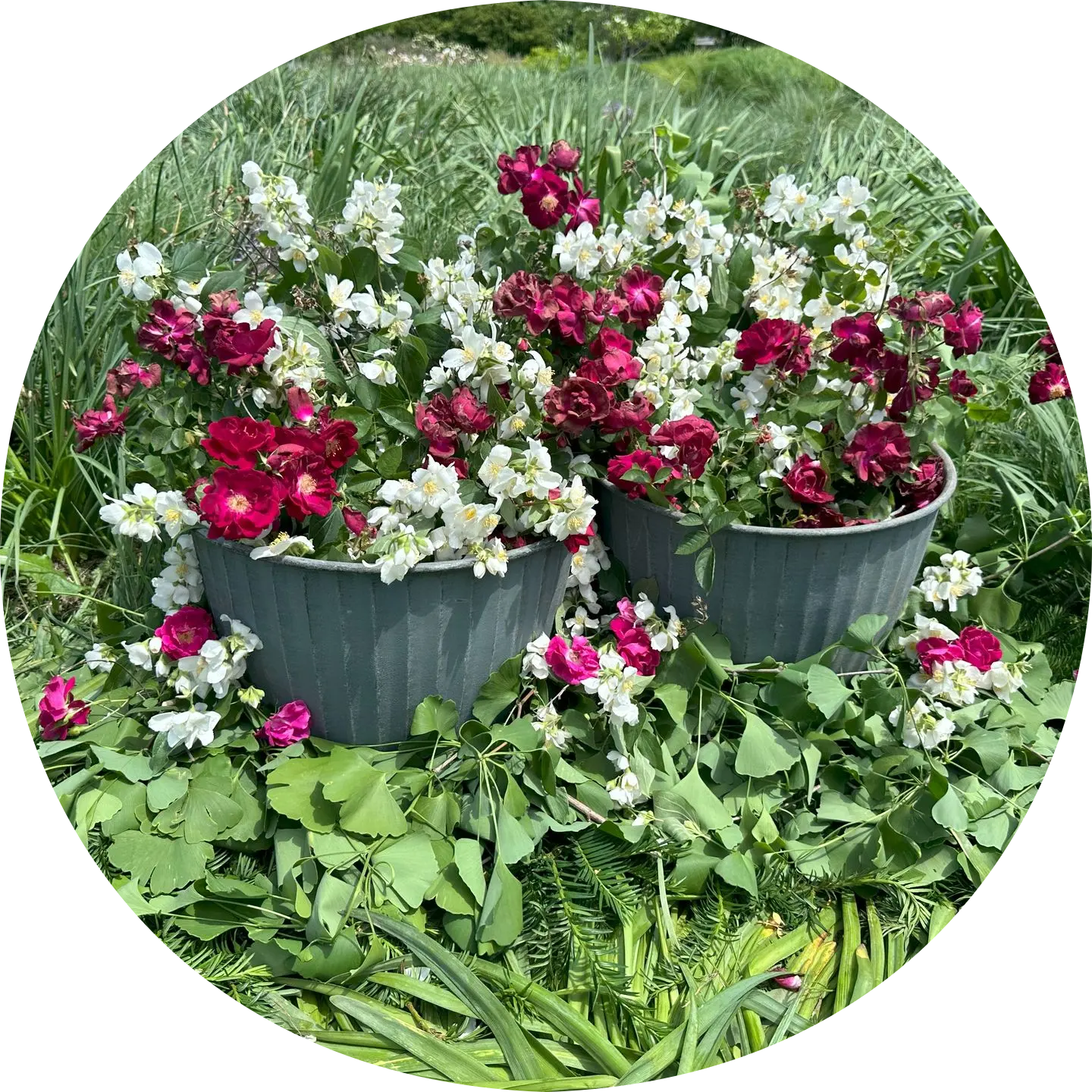
End-of-life Services
Our eco-friendly funeral services including natural (green) burial and flameless cremation offer environmentally-conscious options.
Learn More
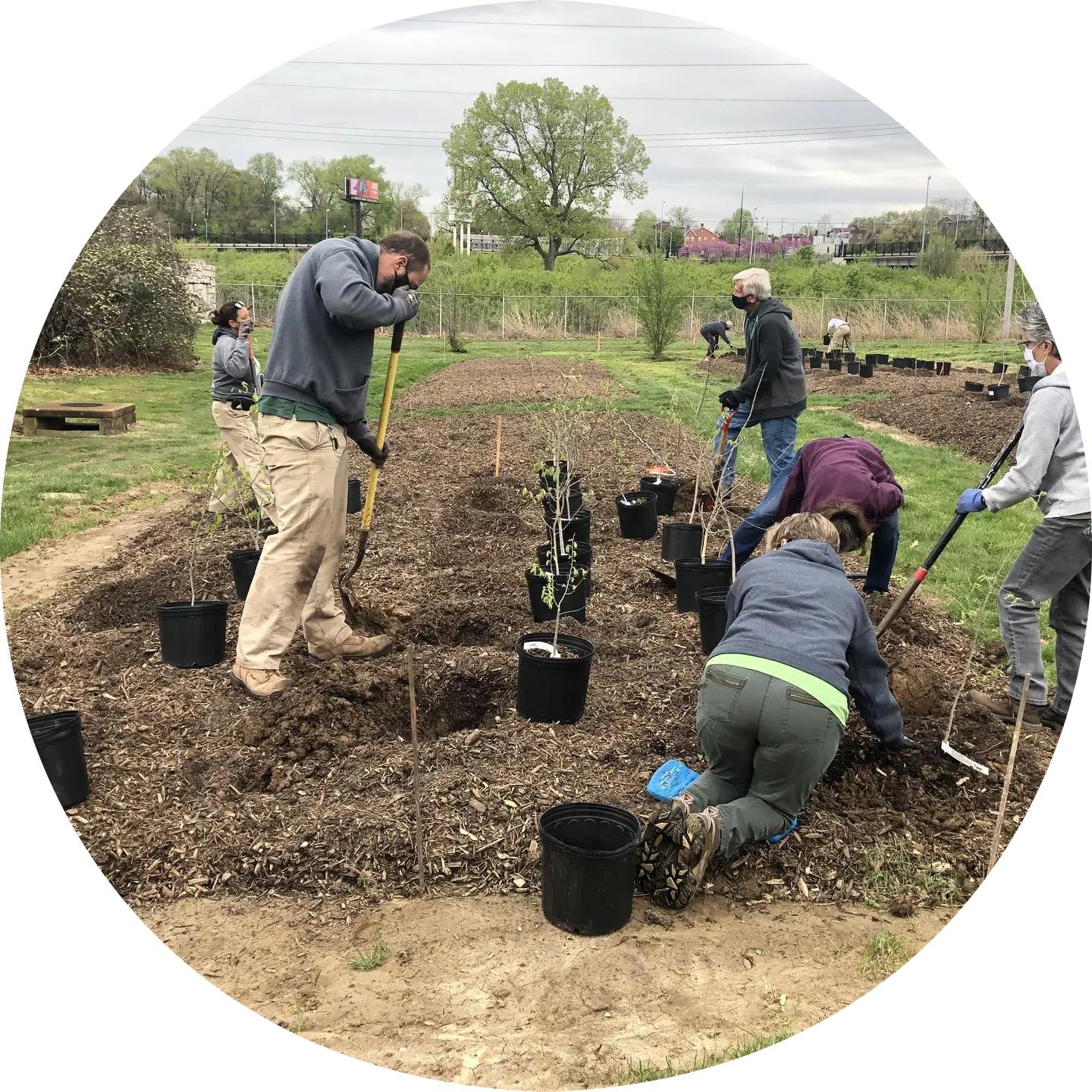
Partnerships
We are proud to partner with local institutions, like the St. Louis Zoo, to support conservation efforts and sustainable practices.
Learn More
Seasonal Finds
Winter's Quiet
Discover the serene beauty of the arboretum in the winter, with unique textures and peaceful landscapes to explore.
Spring Blooms
Explore the stunning display of daffodils and other spring flowers that carpet Daffodil Hill and our gardens.
Summer Splendor
From vibrant sunflowers to elegant water lilies, witness the lush beauty of our summer gardens in full bloom.
Fall Colors
Watch as our arboretum transforms into a tapestry of color, with leaves changing and persimmons hinting at the winter ahead.
"Beautiful in
all seasons"


Floriography
Delve into the fascinating world of floral symbolism and discover how different cultures have historically used flowers to express unspoken sentiments and messages.
The Secret Language
Throughout history, from the era of the Victorians to the works of Shakespeare, flowers have served as a silent language, conveying emotions, concealing secrets, and delivering profound messages without the need for spoken words.
A Hidden Dictionary
Each flower carries a unique meaning. A red rose whispers "I love you," while a yellow chrysanthemum signifies a secret admirer. Discover the dictionary behind every bloom.
Composing Messages
The language isn't just about single flowers. Intricate bouquets were designed to tell complex stories, combining different blooms to express congratulations, mourning, or gratitude.
Learn with Us
Ready to learn the silent art of conversation? We will offer workshops and classes throughout the year to teach you how to decode and create your own floral messages.
"Flowers are a proud assertion that a ray of beauty outvalues all the utilities in the world."
- Ralph Waldo Emerson
