A Legacy of Service
In the years following the expedition, Clark served as the Superintendent of Indian Affairs and the Governor of the Missouri Territory, making him one of the most powerful and influential figures in the early development of St. Louis.
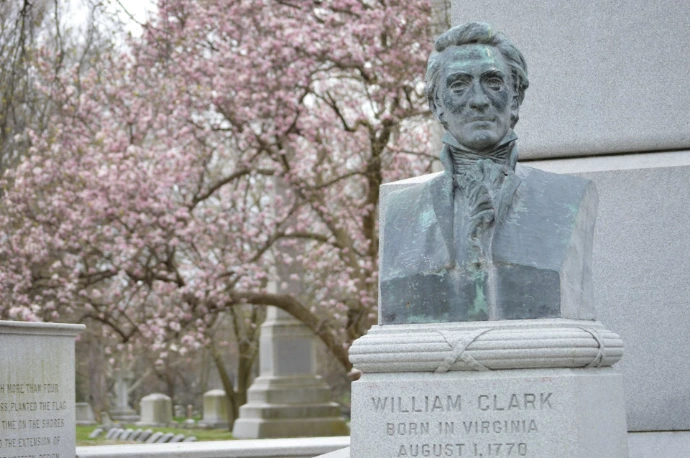
On September 1, 1838, at the age of 69, Clark died in St. Louis. Two days later, he was buried with military and Masonic honors on the farm of his nephew, Colonel John O'Fallon, in the area now known as O'Fallon Park. The entire city of St. Louis mourned his passing.
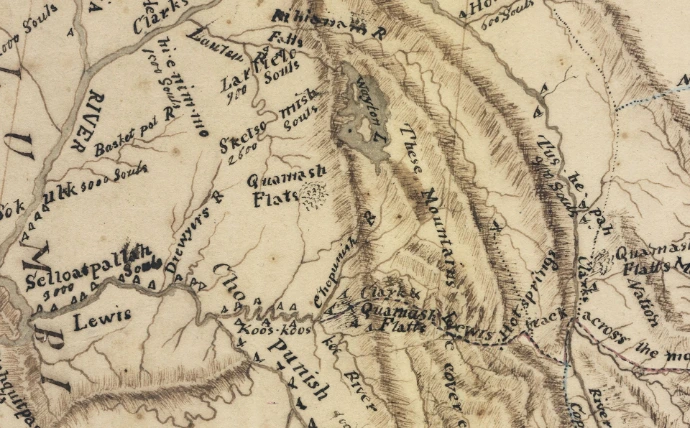
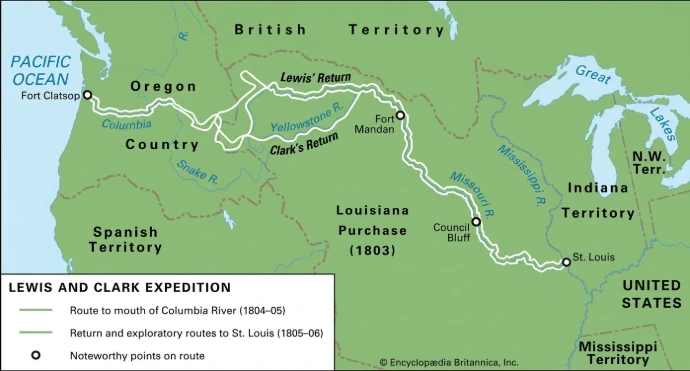
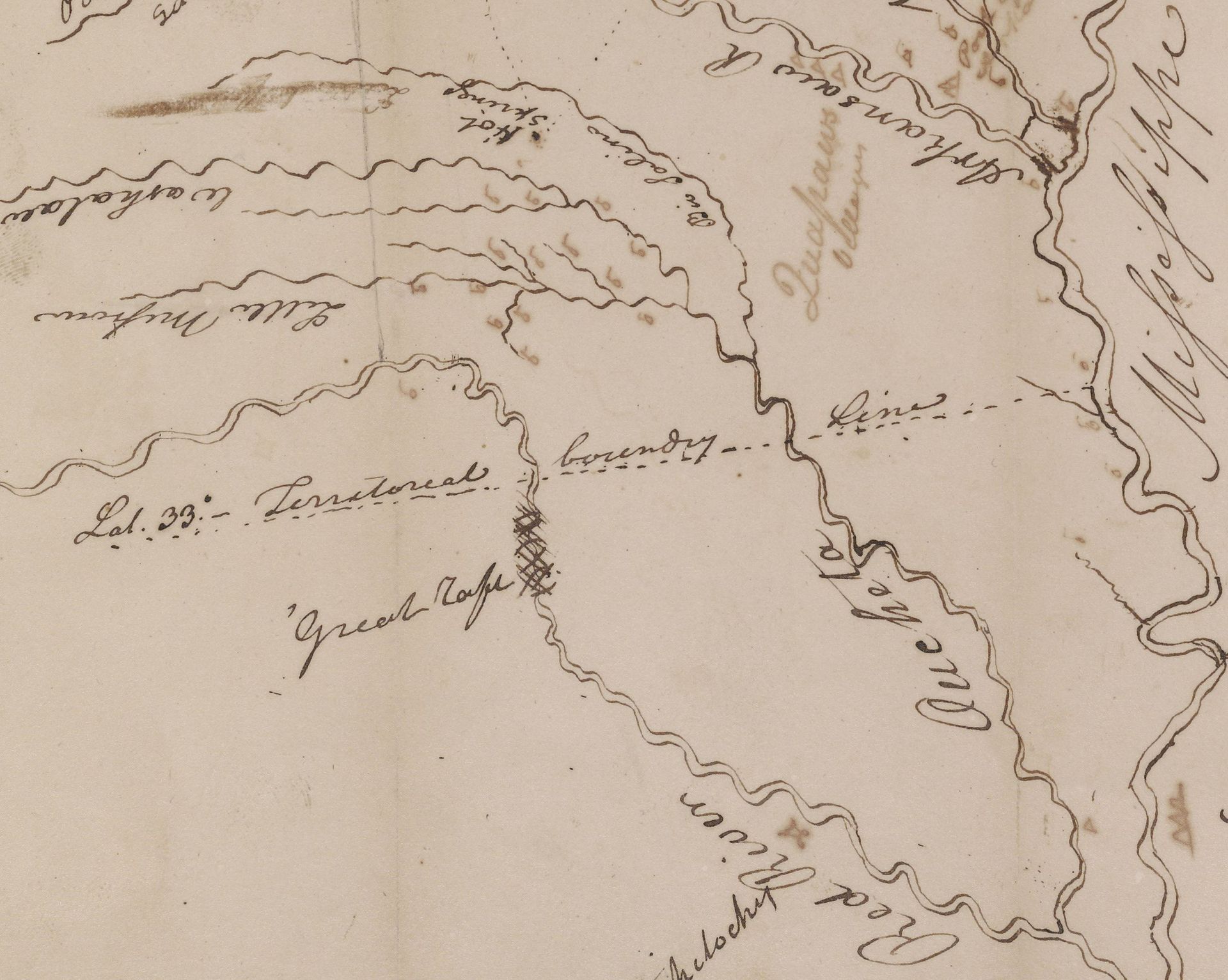
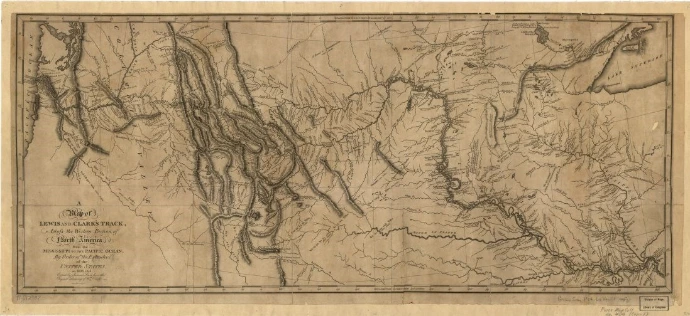
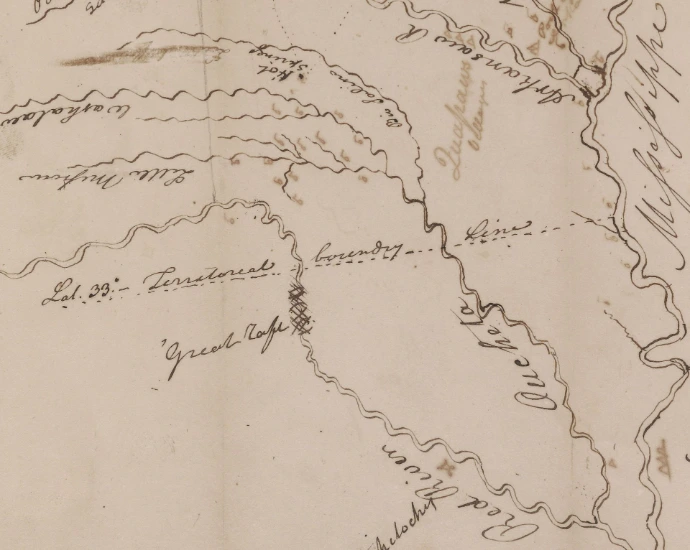
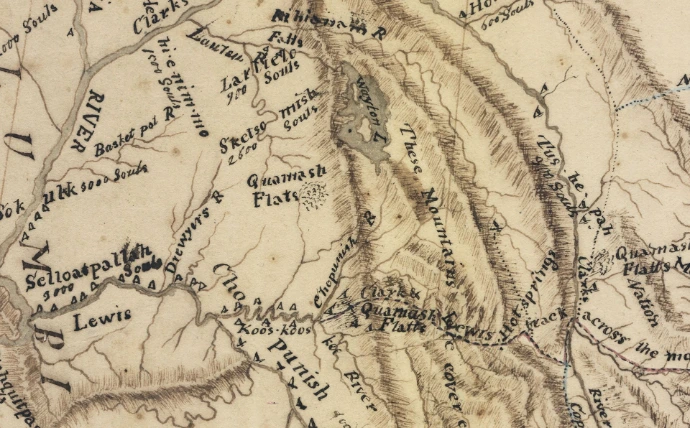
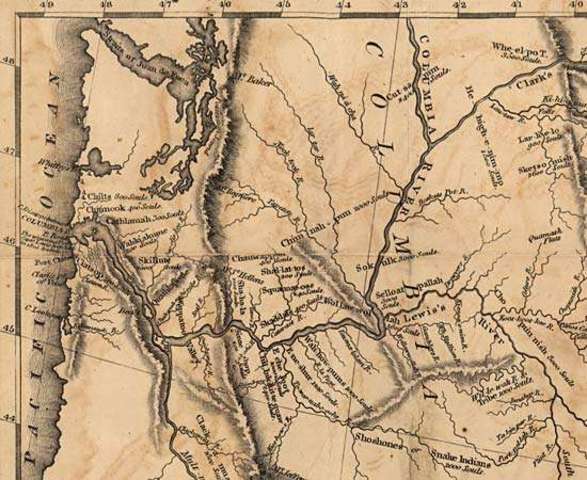
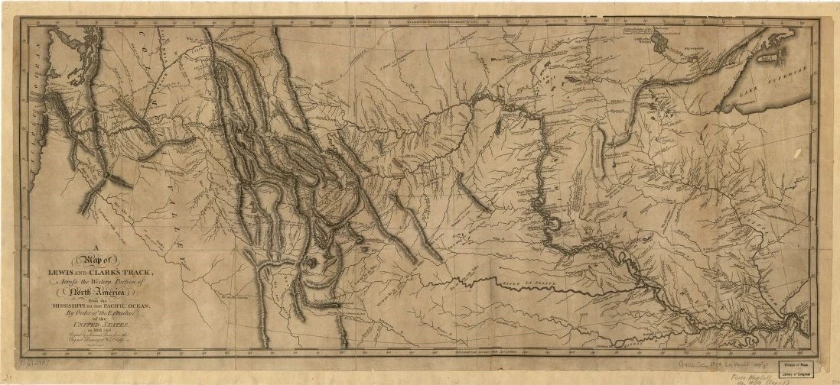
This journey was the first significant effort to explore and map the Western United States. During the expedition, Clark drew detailed maps that enabled the U.S. government and the nation to understand the geography of the American West. He also maintained a meticulous journal, providing invaluable insights into the region's diverse lands, Indigenous peoples, and wildlife. Following the expedition's success, Clark and Lewis were celebrated as national heroes.
In the years following the expedition, Clark served as the Superintendent of Indian Affairs and the Governor of the Missouri Territory, making him one of the most powerful and influential figures in the early development of St. Louis.
On September 1, 1838, at the age of 69, Clark died in St. Louis. Two days later, he was buried with military and Masonic honors on the farm of his nephew, Colonel John O'Fallon, in the area now known as O'Fallon Park. The entire city of St. Louis mourned his passing.
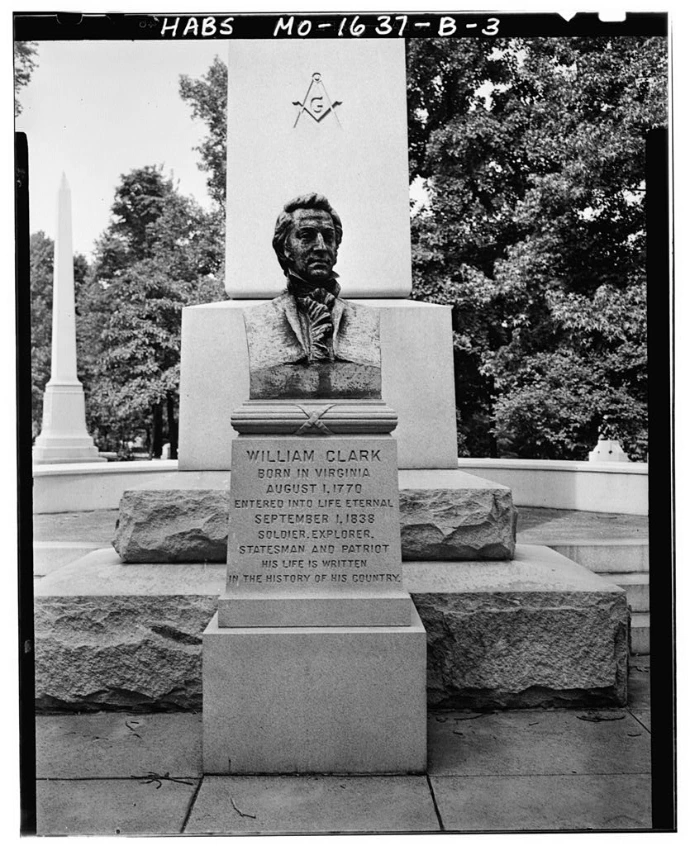
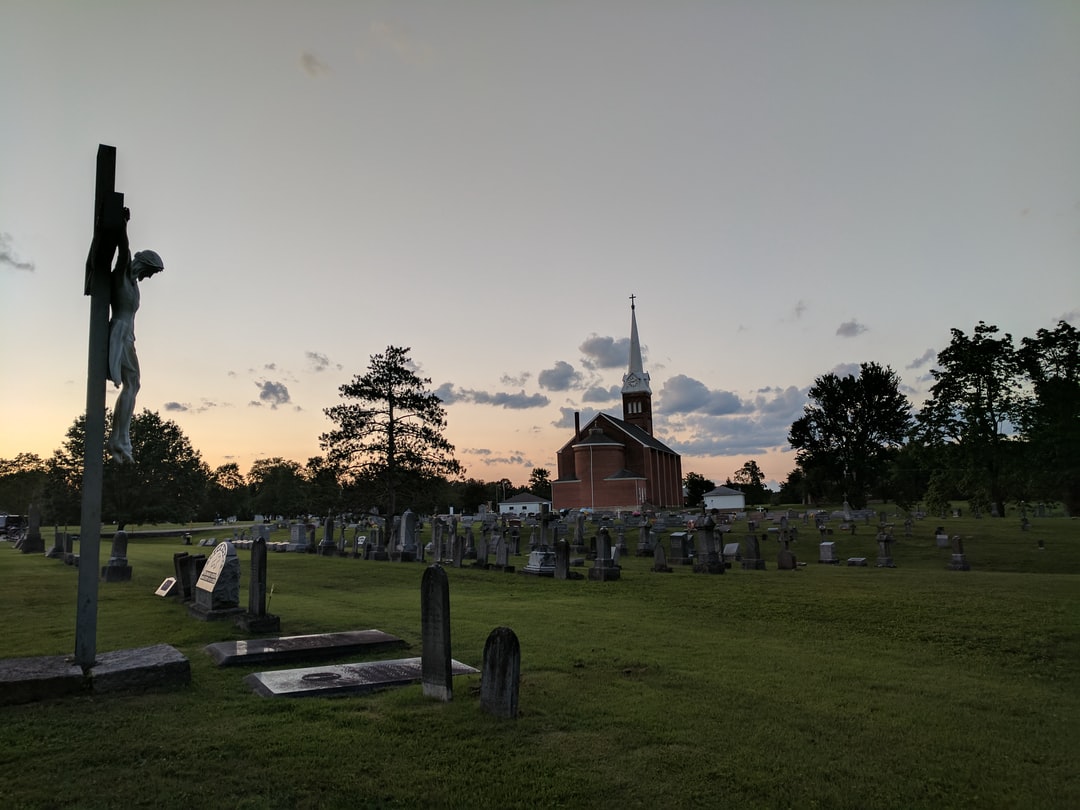
His remains were relocated to Bellefontaine Cemetery on October 23, 1860. The monument marking his grave—a 35-foot gray granite obelisk—was dedicated in 1904 on the centennial anniversary of the Louisiana Purchase. One of Clark's sons, Jefferson Kearney Clark, designed the monument and commissioned it for $25,000. Following Jefferson's death in 1900, his wife oversaw the completion of the memorial.
The monument was later restored and rededicated on May 21, 2004, to mark the bicentennial of the Corps of Discovery's departure from St. Charles, Missouri. The memorial site is located in the northern section of the cemetery, situated above Meadow Lane near the Broadway Avenue entrance.
Did You Know?
The Master Mapmaker: While Meriwether Lewis focused on describing plants and animals, William Clark was the expedition’s primary cartographer. Despite having no formal training in mapmaking, Clark produced a master map of the American West in 1810 that was so accurate it remained the "gold standard" for explorers and the U.S. government for more than 30 years. His meticulous journals and sketches are the reason we have a visual record of the Corps of Discovery's route today.