Exploring the Arboretum
As the halfway point on the Loop Trail, the return portion
of Section Lindell begins your journey back towards the Western boundary of the
Cemetery. You will continue to pass by more specimens of our vibrant collection
of deciduous azaleas and begin to make your way slowly on a subtle downhill
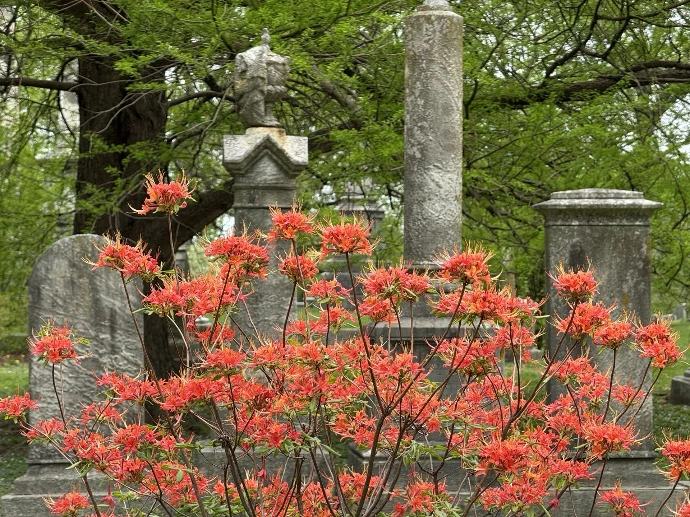
descent towards Wildwood Valley Garden. Pictured here is the Oconee azalea (Rhododendron
flammeum). Azaleas are gorgeous but can be challenging to grow in the
St. Louis area. To learn more about azalea care, please visit the MU Extension.
Significant Figures
Map Reference: Stop 11,
Letter aa
Daniel Page
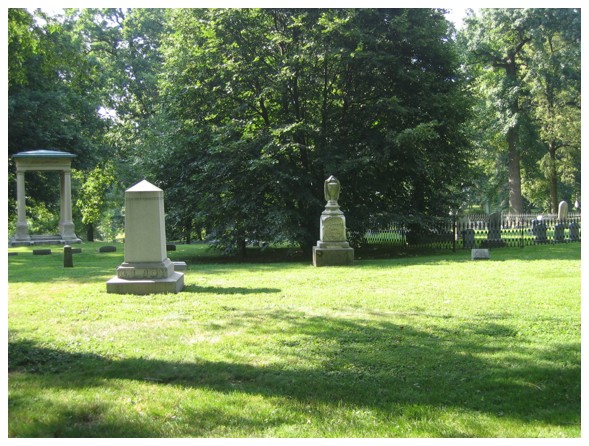
Mayor of St. Louis | Lot #158
Daniel D. Page was the 2nd Mayor of St. Louis. He moved to
St. Louis in 1818, traveling up the Mississippi from New Orleans, where he had
relocated from the Northeast. After his time as mayor, Daniel created the first
steam-powered flour mill in 1833. Turning his attention then to banking,
railroads, and real estate, later in life, success in these areas seemed always
out of reach.
Map Reference: Stop 11,
Letter bb
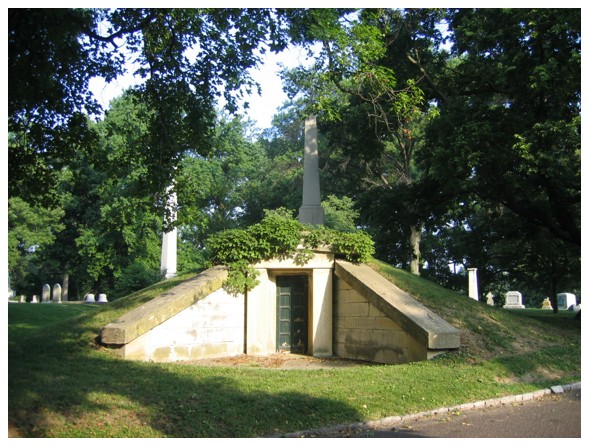
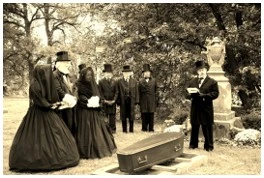
William H./Hetty L. Joy
Victorian
Plantings | Lot #2246
Activity in this family lot was completed in 1877. In 1961,
coping (flush stone edging) was removed due to the breakdown of the materials.
Now, planted just as a Victorian Era family lot would have been, this lot has
been a demonstration of era-appropriate services.
 The St. Louis Mourning Society
Map Reference: Stop 11,
Letter cc
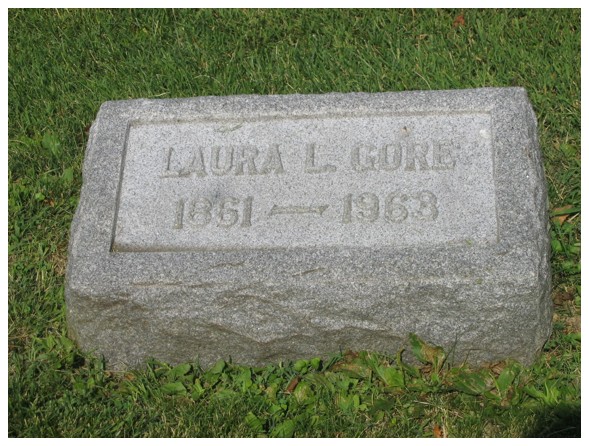
Laura L. Gore
Plantation Laura | Lot #595
Laura Plantation can be found in Vacherie, Louisiana, and it
was named after Laura Locoul. In 1891, Laura wed Charles Gore and moved to his
hometown of St. Louis. Later in life, Laura turned her memories of her early
years in the South into her published book, Memories of the Old Plantation
Home. Laura passed away in 1963 at 101 years of age, buried in St. Louis
with roots that reached down the Mississippi to Louisiana.
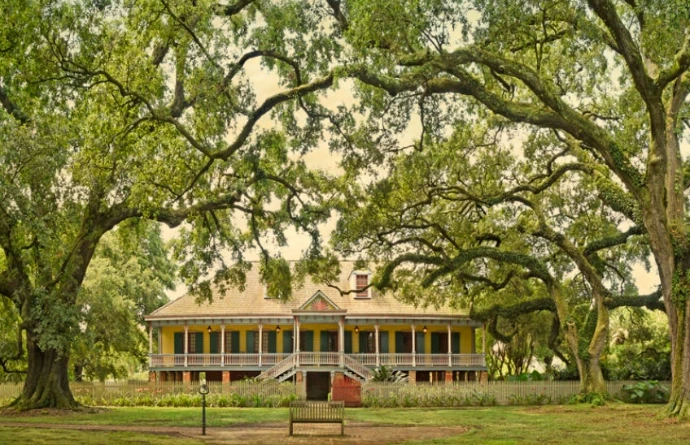 Laura's Plantation home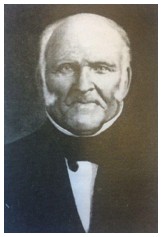
Map Reference: Stop 11,
Letter dd
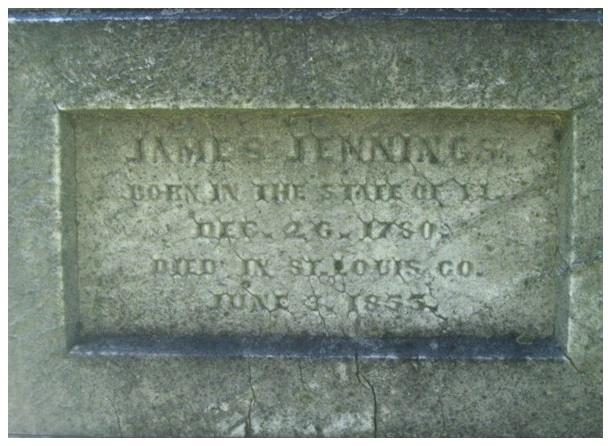
James G. Jennings
City of Jennings | Lot #469
Good friend of St. Louis Mayor William Carr Lane, James Jennings moved from Virginia in 1839 to a tract of land north of St. Louis with his family and 30 enslaved persons. His 2,500 acres included most of what is now Jennings, Floridell Hills, and Country Club Hills.