Exploring the Arboretum
In this Cemetery section, you’ll find a wide range of unique
magnolia hybrids, including yellow-flowering varieties. The canopy above is
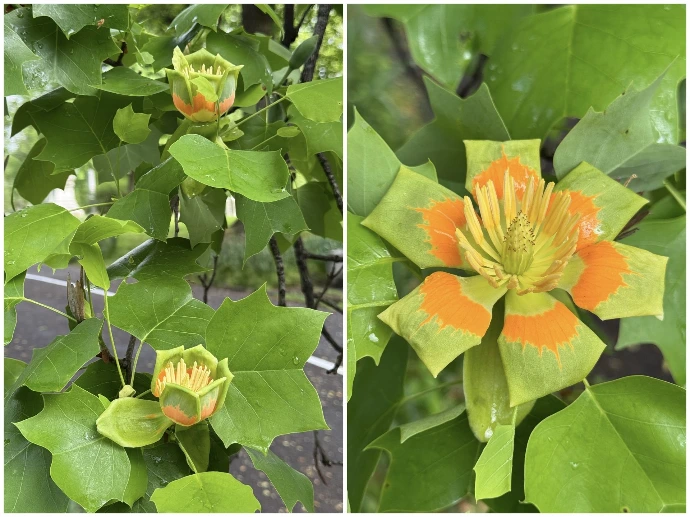
largely composed of native tulip trees (Liriodendron tulipifera –
pictured here), which are close relatives of magnolias that thrive in
Missouri’s bottomlands but struggle in maturity in this drier ridgetop
environment at Bellefontaine. As these trees age, they can become vulnerable to
drought stress and storm damage, requiring careful management. This highlights
the importance of “right plant, right place”, a horticultural motto
promoting being proactive at the planning stage of any planting, leading to a
healthier and more resilient landscape.
Significant Figures
Map Reference: Stop 15,
Letter jj
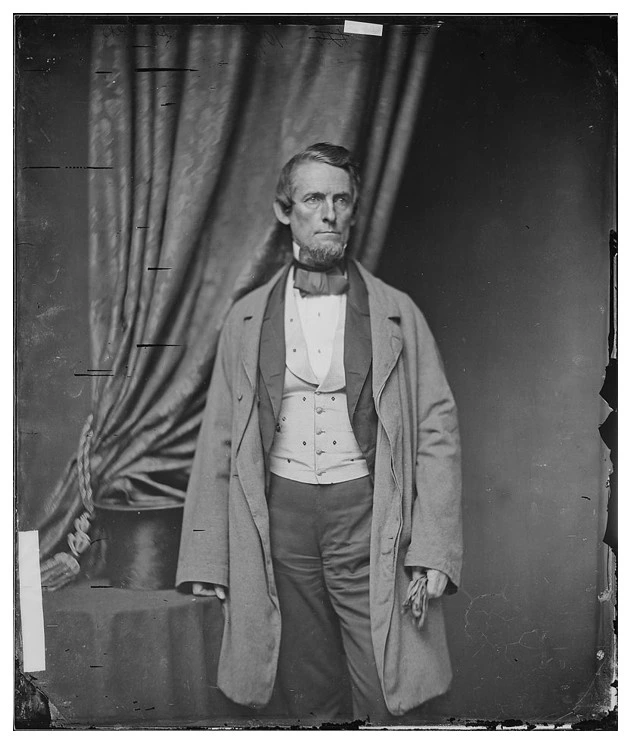
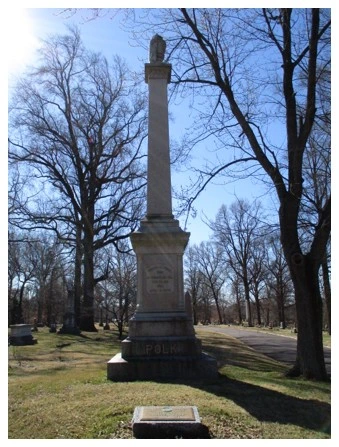
Trusten Polk
Governor of Missouri | Lot #1736
Trusten Polk was Governor of Missouri in 1857 when he
withdrew from the governorship to take the role of Senator from the State of
Missouri in Washington, D.C. Polk was expelled from the Senate on January 10,
1862, for his support of the South in session.
Map Reference: Stop 15,
Letter kk
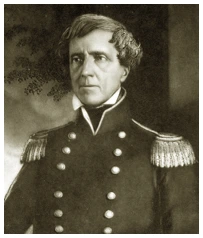
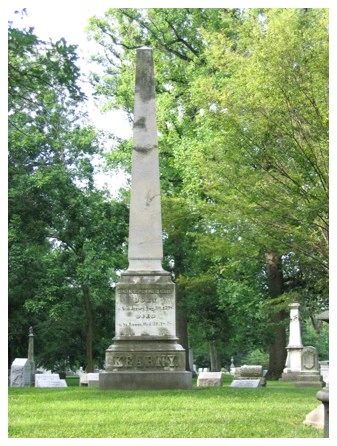
Gen. Stephan Watts Kearny
Westward Expansion | Lot #381
General Stephen Watts Kearny's early military career
featured Mexican-American War activity, including the Conquest of California.
To that point, Kearny was the Military Governor of California. Close family
ties with William Clark would place Kearny’s original burial in the O’Fallon
Graveyard, only to be moved to Bellefontaine in October of 1860.
Map Reference: Stop 15,
Letter ll
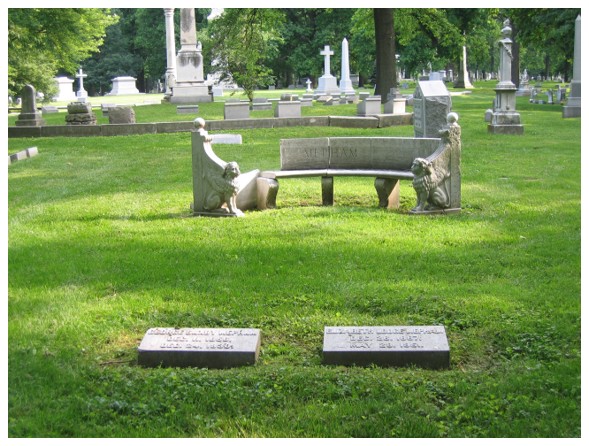
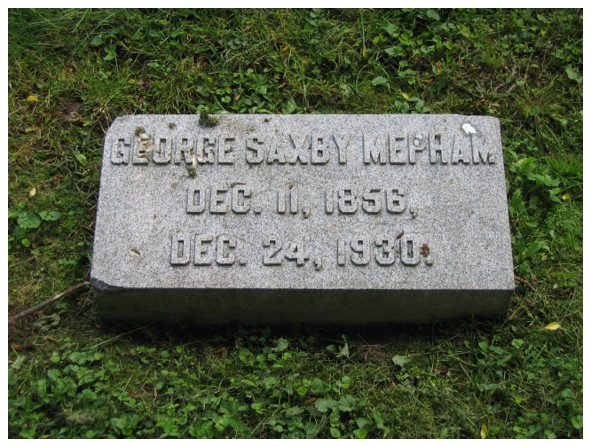
George Saxby Mepham
Monumentation | Lot #6166
George and his wife Elizabeth are side by side with the use
of footstones and the unique bench placed at the top of their final place of
rest. George made his wealth in the Paint and Color Manufacturing business.
Map Reference: Stop 15,
Letter mm
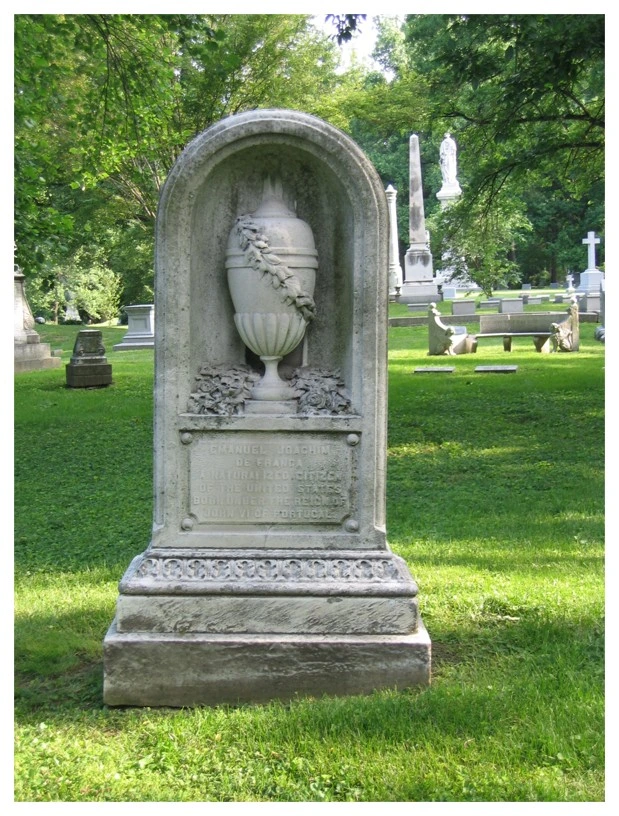
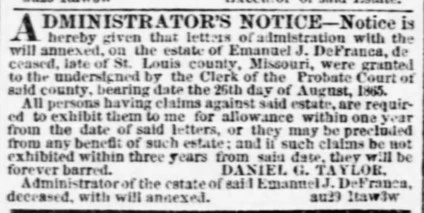
Emanuel J. DeFranca
Painter | Lot #1547
Emanuel Joachim DeFranca was one of the early portrait
painters of St. Louis. The Missouri Historical Society has many of his works in
its collection. Many families still own portraits of their ancestors that
DeFranca painted during his life. Born in Madeira, Portugal, Emanuel spoke
little English when he arrived in the United States at only 18 years old.